

This is Naqsh-e Rustam—the resting place of the Great King Xerxes, carved into the cliffs of Pars; a testament to a civilization that must be understood not only through battlefields but also through its art, architecture, and enduring legacy. A man whose army marched on Athens to liberate the Greek people of Sardis and avenge them against the oppression of their warlike, tyrannical rulers.
Xerxes' Canal (Greek: Διώρυγα του Ξέρξη) is a historic, navigable canal located at the foot of Mount Athos on the Chalkidiki Peninsula in northern Greece. This massive structure was constructed by the order of the Persian King of Kings, Xerxes, in the 5th century BC; today, it is considered one of the few valuable remnants of the Persian Empire in the lands of the West.
The following wiki's goal is to help users optimize their digital lives for productivity, health, privacy, and personal growth, while being mindful of ethical considerations and the broader cultural impacts of technology.
Smart Platforms Manifesto |Unix-like Distributions
Digital Literacy & Skills
- Understanding digital tools and platforms
- Basic and advanced tech skills (e.g., coding, data management)
- Navigating the digital world safely and efficiently
- Enhancing digital communication (e.g., emails, social media etiquette)
- Building a strong digital foundation for personal and professional growth
Tech for Productivity & Efficiency
- Tools for time management and organization (task managers, calendars, etc.)
- Automation and productivity hacks for everyday life
- Cloud storage and collaboration tools (Remote Drives, Notion, etc.)
- Streamlining digital workflows (for work, study and personal use)
- Managing notifications and digital distractions
Digital Well-being & Mental Health
- Managing screen time and digital detox tips
- Protecting mental health in the digital age (e.g., social media stress, online comparison)
- Apps for mindfulness, meditation, and stress reduction
- Healthy tech habits for better work-life balance
- Coping with digital burnout and maintaining emotional health online
Cybersecurity & Privacy
- How to protect your personal data online (passwords, two-factor authentication, etc.)
- Understanding online privacy laws and digital rights
- Best practices for securing devices and accounts
- Identifying and avoiding online threats (phishing, scams, etc.)
- Digital footprint management: What you share online and why it matters
Building a Positive Digital Presence
- Crafting a professional and authentic online identity
- Personal branding and networking in the digital space
- Managing reputation and social media presence
- Curating content that reflects your values and interests
- Digital etiquette and navigating online communities respectfully
Digital Fitness & Health Tech
- Using apps and gadgets to improve physical fitness and health
- Sleep tracking, mindfulness, and mental health apps
- The role of wearables (smartwatches, fitness trackers) in health monitoring
- Healthy habits for tech-heavy lifestyles (e.g., posture, breaks, eye health)
- Incorporating digital tools into wellness routines
Learning & Growing in the Digital Age
- Online learning resources (courses, webinars, eBooks, etc.)
- Building digital skills for career advancement (coding, digital marketing, design)
- Learning through social media and online communities
- The role of digital education platforms (Coursera, Udemy, etc.)
- How to stay updated with industry trends and new technologies
Building Digital Communities & Networking
- Connecting with like-minded people online (social media groups, forums, events)
- The power of collaboration and knowledge sharing in digital spaces
- Navigating and engaging in online communities responsibly
- Networking for personal and professional growth in digital spaces
- Creating a positive impact in your digital circles (sharing knowledge, supporting others)
 |
 |
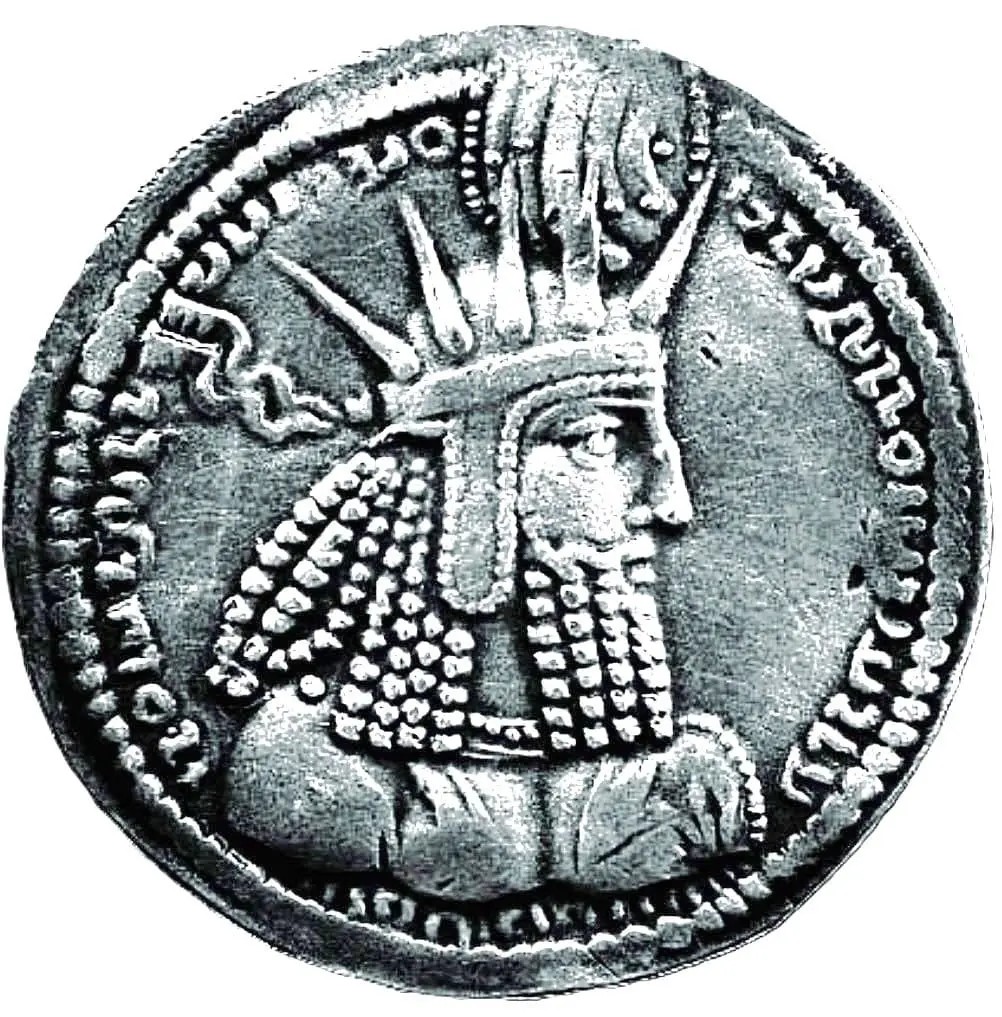
Bahram I, the king of Persia from the Sasanian dynasty, ruled from 273 to 276 AD, succeeding his father Shapur I. He ascended to the throne at a time when the Sasanian Empire was facing various internal challenges. Bahram I focused more on maintaining internal stability and managing the country's internal affairs. During his time, cultural and social policies were pursued more carefully, and the king tried to maintain unity and integrity in the vast Sasanian territory through the means of government. Bahram I's reign was relatively peaceful, and there were no major military conflicts with the Roman Empire. He drew on the long-standing traditions of the Sasanian Empire to legitimize his rule, and like other kings of this period, symbols of royal power are clearly visible on coins and other artifacts from his time.
Ethics & Responsibility in the Digital World
- Understanding the ethical implications of technology use
- Responsible consumption of digital content (e.g., avoiding misinformation, respecting intellectual property)
- Sustainability in the digital age (e-waste, energy usage of digital tools)
- Navigating online activism and digital social change
- The future of ethical tech development (AI ethics, data protection)
Digital Organization & File Management
- Efficiently managing digital files and documents (cloud storage, folders, tags)
- Tools for organizing photos, videos, and creative content
- Strategies for decluttering digital spaces (email inbox, desktop, apps)
- Archiving and backing up important data securely
- Tips for maintaining an organized digital life long-term
Tech-Savvy Socializing & Communication
- Mastering video calls, virtual meetings, and remote collaboration
- Safe and respectful communication in digital spaces
- Building and maintaining relationships through digital tools (messaging apps, social networks)
- The rise of virtual events and digital socialization
- Navigating the balance between online and offline relationships
Digital Trends & Cultural Shifts
- Understanding the latest digital trends (e.g., VR, AI, gaming, NFTs)
- How technology is shaping modern culture (e.g., digital entertainment, media consumption)
- The influence of digital culture on society, values, and behavior
- The rise of the “creator economy” and what it means for individuals
- Preparing for the future of digital culture (the metaverse, Web3, etc.)
Digital Entertainment & Lifestyle
- Curating your digital entertainment experience (movies, TV shows, music, gaming)
- Streaming platforms, podcasts, and online content discovery
- Using digital tools for hobbies and personal interests (photography, design, writing)
- Digital tools for personal creativity (art apps, music production, writing platforms)
- Finding and consuming meaningful content in a sea of digital noise
Tech Tools for Sustainability & Conscious Living
- Green tech and eco-friendly gadgets for a sustainable digital lifestyle
- Reducing your digital carbon footprint (energy-efficient devices, eco-friendly platforms)
- Using tech to support sustainable living (e.g., smart homes, eco-conscious shopping)
- Digital solutions for reducing waste and consumption (sharing economy, upcycling apps)
- The role of technology in fostering environmental responsibility
Digital Finance & Economy
- Navigating personal finance apps and tools
- Digital payments, budgeting, and saving money online
- Investing in digital assets (cryptocurrency, NFTs, stocks)
- Understanding the rise of e-commerce and digital entrepreneurship
- Managing financial security in a cashless, digital economy
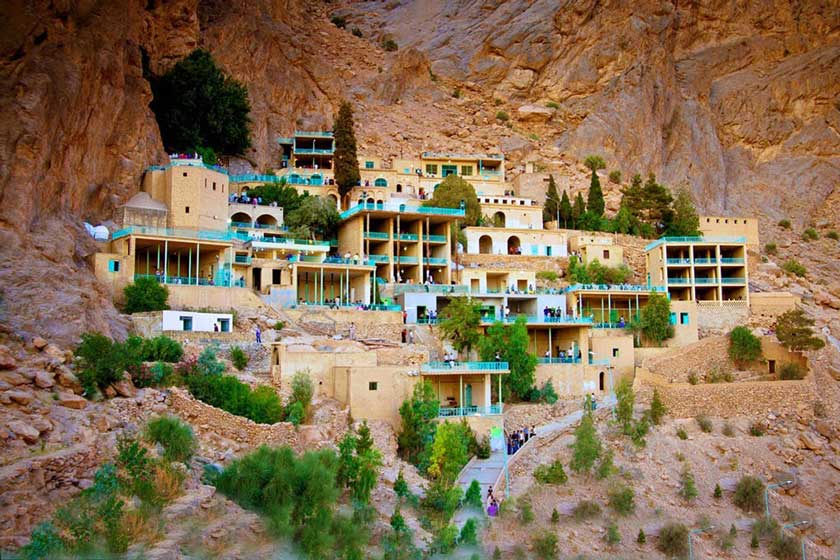
Chak Chak | Chek Chek | Pīr-e Sabz is a location in the Yazd province of Iran. Located near the city of Ardakan, its existence was noted in the 2006 Iranian census.
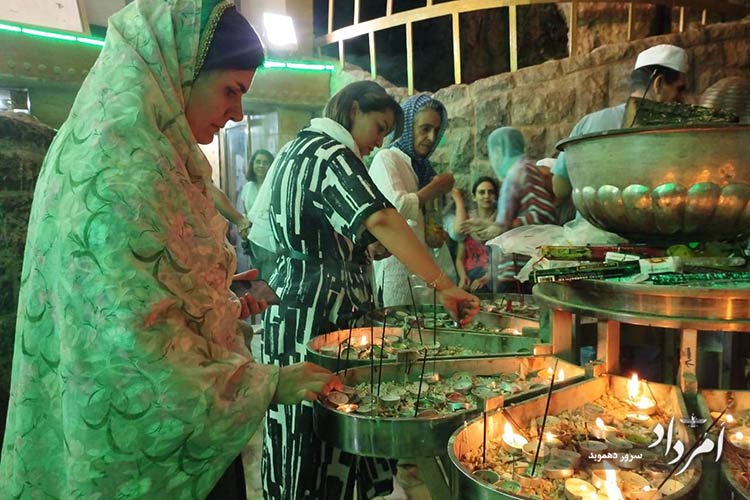
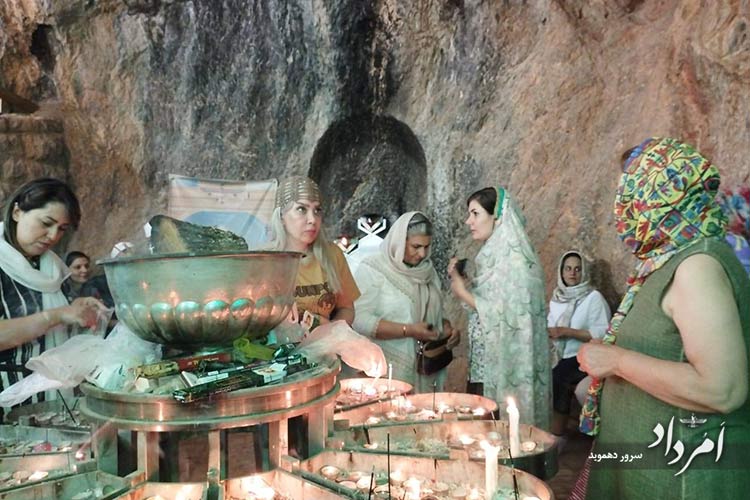
The site consists of a pilgrimage site for Zoroastrians, perched beneath a towering cliff face in the desert of central Iran. It is the most sacred of the mountain shrines of Zoroastrianism, which was formerly the majority and official religion of the Iranian nation. Each year, from 14 to 18 June, thousands of Zoroastrians from Iran and India, among other countries, flock to the site's fire temple.
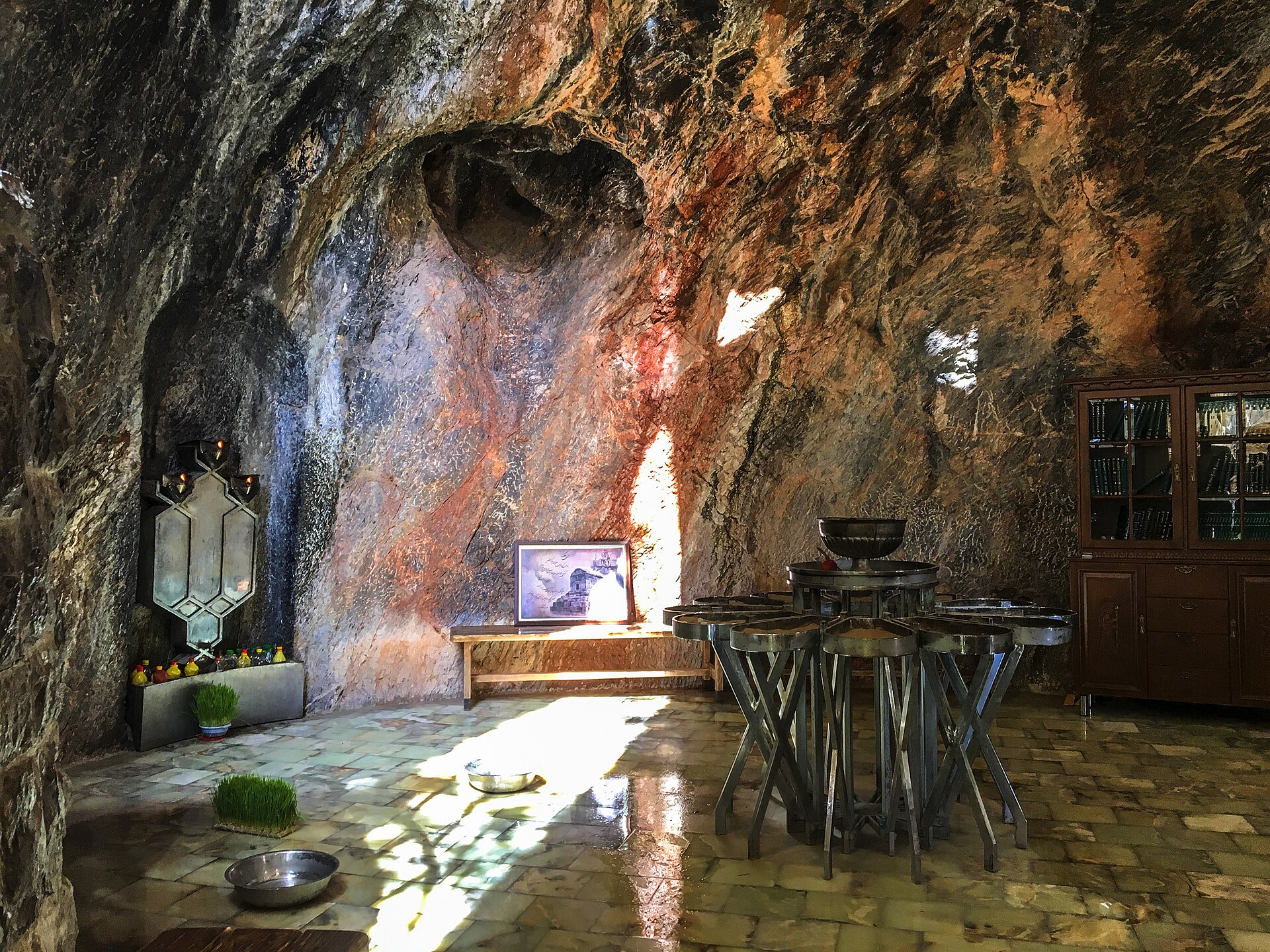
Among some Zoroastrians, it is believed that Chak Chak is where Nikbanou, the second daughter of the Persian king Yazdegerd III, was cornered by the Rashidun army in 640 CE, during the Arab conquest of Iran. Fearing that she would be captured, she prayed to Ahura Mazda for protection, prompting the mountain to miraculously open up and provide her with shelter.
 |
 |
Notable features of Chak Chak include the mountain's ever-dripping spring, which are said to be tears of grief that are shed in remembrance of Nikbanou. Growing beside the holy spring is an immense and ancient tree that is said to be Nikbanou's cane. Legend also has it that a petrified colorful cloth from Nikbanou was also visible in the rocks, although pilgrims have since removed it.
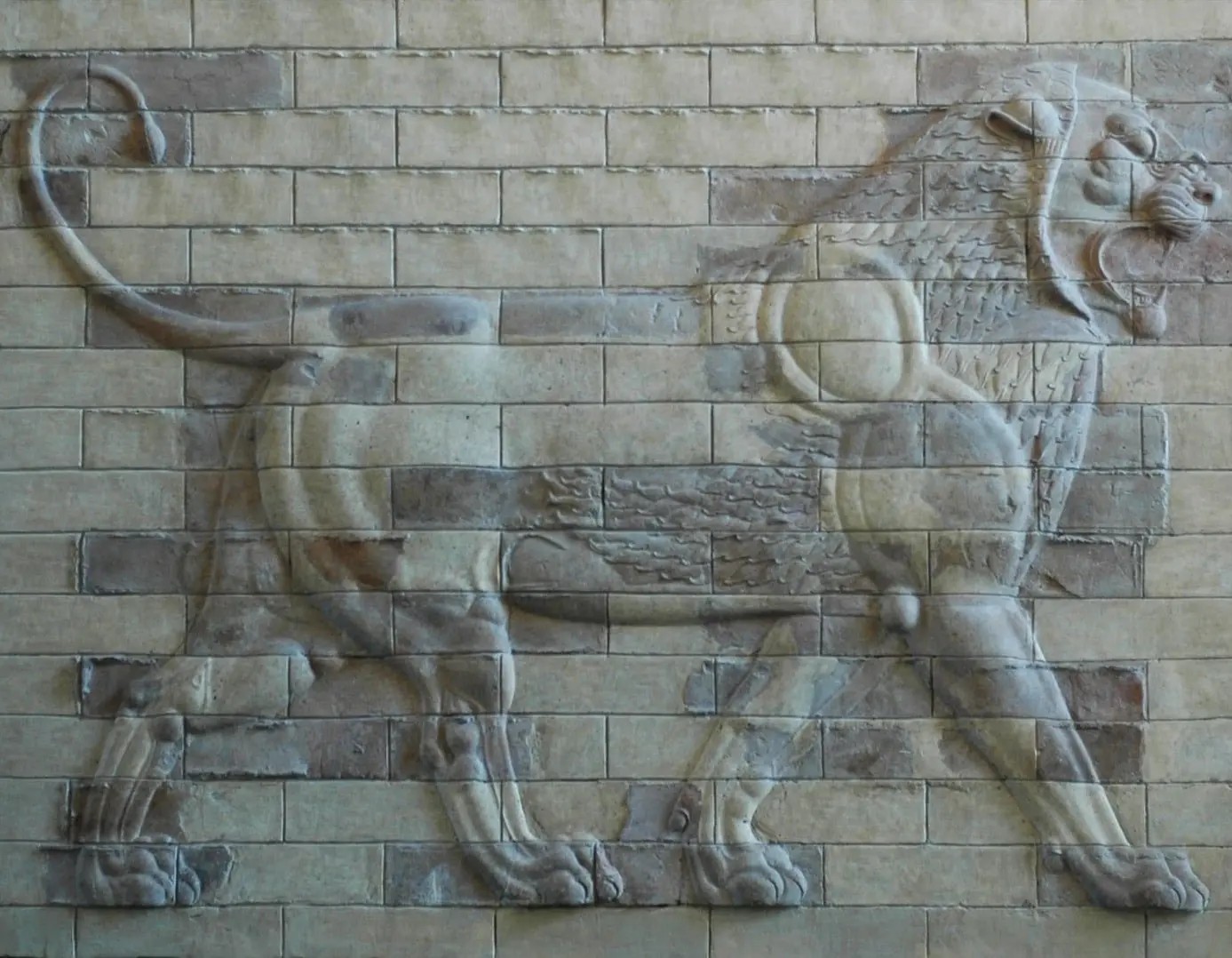
Apadana Palace was built during the glorious reign of Darius the Great. The image of a lion, which is a symbol of glory and power, is one of the beautiful murals of this palace. The bricks of this magnificent work are made in the form of a mold and it dates back to 510 years BC (2500 years ago). In addition to being a manifestation of the power and glory of the Achaemenid kingdom of Persia, this work also shows the elevation of the art and craft of ancient Persian civilization. This mural is kept in the Louvre Museum.